


Imagine Tesla producing LFP cells directly in North America in the future – cheaper, safer, and without import tariffs. The new Tesla LFP Factory North America in Sparks, Nevada, is nearing completion and supplies Powerwall and Megapack with lithium iron phosphate cells. But the real highlight: This onshore production could soon make LFP vehicles possible in the USA again.
Production of LFP cells for Megapack and Powerwall
In Nevada, Tesla's first LFP cell factory on North American soil is being built, primarily for the Energy business:
-
Megapack scaling: 110% more deployments YoY, grid stability through energy storage
-
Powerwall: Longer lifespan, higher thermal stability, no cobalt
-
Cost advantage: Cheaper cell chemistry, cheaper production processes
Why LFP is ideal for stationary use
-
Thermal safety without fire risk
-
Long cycle life for decades in 24/7 operation
-
Price efficiency by avoiding nickel and cobalt
These properties make LFP unbeatable for large storage.
Strengthening the supply chain and energy sector
With its own cell production, Tesla avoids future geopolitical bottlenecks and import duties:
-
Independence from Chinese suppliers like CATL
-
Cost reduction for Megapack and Powerwall
-
Accelerated delivery to US customers and utilities
Thanks to Mega Nevada, Tesla can further expand energy storage capacity to over 80 GWh, while global demand already exceeds 250 GWh.
Return of LFP vehicles in North America
A domino effect of the new factory: Removal of tariff barriers for LFP packs paves the way for budget-oriented Tesla models in the USA. Possible from 2026/27:
-
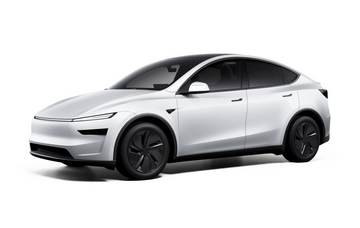
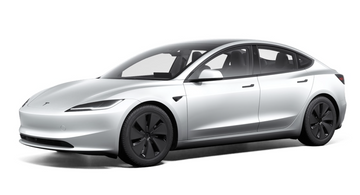
Standard-Range Model 3/Y with LFP for lower base costs
-
New “Affordable Model” with even lower entry prices
-
Advantages: Regular charging to 100% without cell damage, solid range
Thus, Tesla facilitates access to electromobility and deepens mass market deployment.
Conclusion
The Tesla LFP Factory North America marks the next big step in Tesla's vertical integration. In addition to expanding Powerwall and Megapack, it paves the way for affordable LFP vehicles – a nod to the future of sustainable mobility and energy storage.

Hat dir unser Beitrag gefallen?
Wenn du bereits stolzer Tesla-Fahrer bist oder es zeitnah werden solltest, besuche unseren Onlineshop Shop4Tesla und sichere dir 10% Rabatt auf alle Produkte mit dem Rabattcode: NEWS4TESLA. In unserem umfangreichen Sortiment findest du eine Vielzahl an hochwertigen Tesla-Zubehörteilen für jedes Modell. Entdecke spannende Innovationen und Zubehör, die dein Tesla-Erlebnis noch besser machen - www.shop4tesla.com.