


With the Tesla Impact Report 2024, Tesla not only provides a preview of future innovations but also demonstrates with tangible data how safety, Total Cost of Ownership (TCO), and the Tesla Energy business already interact today to drive growth. In this article, you will explore the three pillars of the report and learn why they reinforce each other.
Tesla Safety: Autopilot Data as a Basis of Trust
The Tesla Impact Report 2024 highlights that vehicles with autopilot experience only one accident per 6.77 million miles driven on average – almost ten times less frequent than the US average of 0.70 million miles per accident. Additionally, all current models, including Cybertruck, have a 5-star rating from the NHTSA.
Causes for Increased Safety
-
Fleet-wide Telemetry: Real-time data from the global fleet identifies hazard patterns and enables quick software updates.
-
4D Cabin Radar & Cameras: Additional sensors increase detection accuracy both internally and externally.
-
Robust Vehicle Structure: High-strength materials and targeted crash designs minimize occupant injuries.
This combination of hardware and software builds consumer trust and paves the way for projects like the robotaxi pilot program.
Total Cost of Ownership: E-Mobility in Comparison
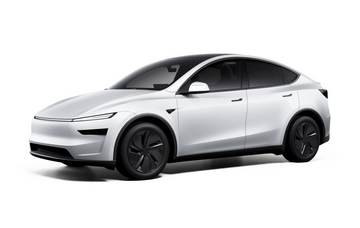
While the purchase price of Tesla models is often perceived as high, the Tesla Impact Report 2024 shows that the TCO over the vehicle's lifetime at $0.74/mile for the Model Y RWD is on par with the Honda CR-V ($0.74/mile) and cheaper than the Toyota RAV4 ($0.76/mile). In the luxury SUV segment, the Model Y even stands out significantly against the BMW X3 ($1.19/mile).
Cost Drivers in Comparison
-
Electricity vs. Fuel: Lower energy costs per mile reduce operating expenses.
-
Maintenance: Fewer wear parts – instead of oil changes, only inspections of brakes, tires, and wipers.
-
Higher Residual Values : Teslas retain higher resale prices due to strong demand.
Emphasizing the TCO helps dispel prejudices about expensive electric cars and expands Tesla's customer base far beyond the premium segment.
Tesla Energy: Growth Driver and Eco-Cycle
The Tesla Energy business is growing rapidly and sustainably powers electromobility at the same time. Since 2023, Megapack deployments have increased by 110% YoY, with Tesla offering stationary energy storage with a current global capacity of 80 GWh.
Three Building Blocks of Tesla Energy
-
Megapack: Large storage systems for utilities that stabilize grids and maximize renewable input.
-
Powerwall & Virtual Power Plant: Over 100,000 units help households trade energy and sell surpluses in the P2P network (approx. $50–100/month profit).
-
Software Tools (Autobidder, Opticaster): AI-supported optimization to smooth peak loads and increase returns.
This energy pillar not only supplies the charging network with green electricity but also creates new margin sources beyond the vehicle business.
The Interaction of the Three Pillars
The Tesla Impact Report 2024 shows how safety, TCO, and Tesla Energy form a self-reinforcing cycle:
-
Safe cars increase demand and provide valuable driving data.
-
Low total costs open new market segments and allow the fleet to grow.
-
Energy storage solutions sustainably supply customers and simultaneously finance infrastructure investments.
This integrated approach catapults Tesla into a leadership role both on the road and in the energy market.
Conclusion
The Tesla Impact Report 2024 paints a holistic picture: Excellent safety, competitive Total Cost of Ownership, and a booming Tesla Energy -Business creates a growth engine that accelerates Tesla's mission and paves the way for sustainable mobility.

Hat dir unser Beitrag gefallen?
Wenn du bereits stolzer Tesla-Fahrer bist oder es zeitnah werden solltest, besuche unseren Onlineshop Shop4Tesla und sichere dir 10% Rabatt auf alle Produkte mit dem Rabattcode: NEWS4TESLA. In unserem umfangreichen Sortiment findest du eine Vielzahl an hochwertigen Tesla-Zubehörteilen für jedes Modell. Entdecke spannende Innovationen und Zubehör, die dein Tesla-Erlebnis noch besser machen - www.shop4tesla.com.