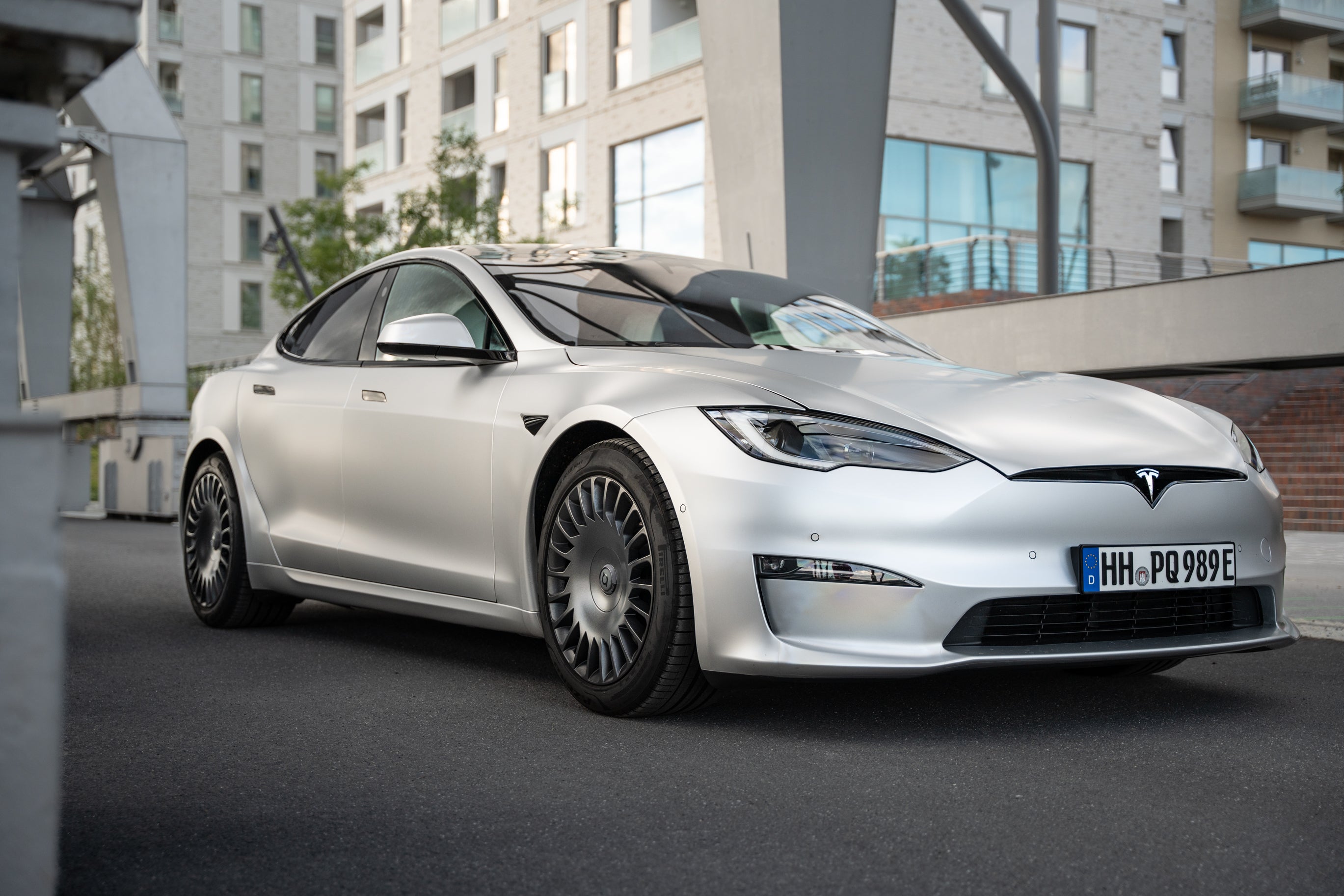


Tesla is once again facing significant hurdles in Europe regarding the approval of its Full Self-Driving (FSD) system. Following the latest session of the UNECE, which sets safety regulations for vehicles, further delays are emerging. The current discussions in countries like the UK, Norway, Sweden, and the Netherlands have further complicated the approval process for autonomous systems in Europe.
Regulatory Challenges and UNECE Meetings
-
New Tests:
The recent meetings of the UNECE and concerns from individual countries necessitate additional tests and trials of autonomous systems. In particular, the British Department for Transport expressed doubts about the safety of driver assistance systems, further delaying the approval process. -
Future Meetings:
Further UNECE meetings are planned for June and November – however, autonomy does not appear to be on the agenda for now.
Consequences for FSD in Europe
-
Options and Workarounds:
Tesla could pursue regulatory exemptions at the country level, but would need to have each FSD feature individually approved – a lengthy and complicated process. -
Limited Version:
Alternatively, a severely limited version of FSD could be released that complies with current regulations. However, this would mean that the driver would have to manually intervene at almost every step, significantly reducing its practical benefit.
Outlook
The regulatory framework in Europe remains a significant obstacle to the widespread introduction of Tesla FSD. Without significant political changes, it is unlikely that autonomous driving functions will launch in Europe in 2025 as planned. Tesla must continue to engage in dialogue with regulatory authorities to find a viable solution that meets safety standards while enabling technological progress.

Hat dir unser Beitrag gefallen?
Wenn du bereits stolzer Tesla-Fahrer bist oder es zeitnah werden solltest, besuche unseren Onlineshop Shop4Tesla und sichere dir 10% Rabatt auf alle Produkte mit dem Rabattcode: NEWS4TESLA. In unserem umfangreichen Sortiment findest du eine Vielzahl an hochwertigen Tesla-Zubehörteilen für jedes Modell. Entdecke spannende Innovationen und Zubehör, die dein Tesla-Erlebnis noch besser machen - www.shop4tesla.com.