


Have you ever imagined charging stress-free all over Europe and beyond? With now 70,000 Tesla Superchargers worldwide, this is becoming a reality. In the last eight months alone, Tesla has installed 10,000 new charging points – an unprecedented pace in the global EV expansion.
Supercharger boom in numbers
-
Since 2020, the number of stalls has nearly doubled every year.
-
In 2024, an average of 30 new stalls per day were added.
-
In 2025, the network continues to grow: already 2,200 new charging points in the first quarter.
-
Coverage in 53 countries – the latest addition: Estonia.
Why LFP and V3 are important
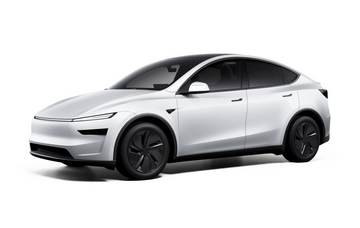
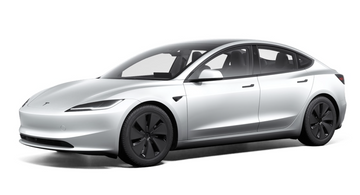
Tesla's current V3 Superchargers deliver up to 250 kW of power. This allows Model 3/Y to charge up to 80% in under 20 minutes. At the same time, Tesla is increasingly relying on its own LFP storage at new stations to relieve local grids and buffer green electricity.
Regional highlights
Europe
-
Dense urban hubs along the D-A-CH transit routes.
-
Expansion of many locations from 12 to up to 40 stalls.
North America
-
Texas as the new "Charging Valley": The 70,000th stall is located in Burleson.
-
Pilot project with dynamic electricity pricing lowers costs for night owls.
Asia & South America
-
Japan surpassed the 1,000-stall mark in 2024.
-
First stations in Chile and the Philippines open up new travel routes.
Benefits for Tesla drivers
-
Planning freedom: The densest HPC network worldwide minimizes charging breaks.
-
Cost control: Kilowatt-hour rates instead of time-based models.
-
Future-proofing: Network grows faster than the Tesla fleet.
Outlook until 2026
Tesla aims for 80,000 Superchargers by mid-2026 – including V4 stalls with up to 350 kW and CCS compatibility for third-party brands. Europe can look forward to even more hubs at highway intersections and popular holiday routes.
Conclusion
With 70,000 fast chargers, the Tesla Supercharger sets new standards. For drivers, this means shorter charging times, better network coverage, and another step towards an all-electric everyday life – whether in Germany, the USA, or Japan.

Hat dir unser Beitrag gefallen?
Wenn du bereits stolzer Tesla-Fahrer bist oder es zeitnah werden solltest, besuche unseren Onlineshop Shop4Tesla und sichere dir 10% Rabatt auf alle Produkte mit dem Rabattcode: NEWS4TESLA. In unserem umfangreichen Sortiment findest du eine Vielzahl an hochwertigen Tesla-Zubehörteilen für jedes Modell. Entdecke spannende Innovationen und Zubehör, die dein Tesla-Erlebnis noch besser machen - www.shop4tesla.com.