


A significant step for the future of autonomous mobility: The US transportation authority NHTSA has released new rules paving the way for autonomous vehicles – and particularly Tesla's robotaxi plans. With the introduction of the revised Automated Vehicle (AV) Frameworks, bureaucratic burdens are eliminated, giving companies like Tesla a significant advantage in the race for self-driving technologies.
Fewer Reporting Obligations, More Room for Innovation
A key point of the new regulation concerns the accident reporting obligation for vehicles with advanced driver assistance systems (ADAS) and autonomous driving systems (ADS). In the future, only serious or particularly costly accidents must be reported – minor incidents are excluded.
For Tesla and other manufacturers, this means:
-
Less bureaucratic effort
-
Faster tests and rollouts on public roads
-
More resources for product development instead of administration
Expansion of the Exemptions Program: Door Opener for the Cybercab
Another milestone is the expansion of the “Automated Vehicle Exemption Program”. Previously intended only for imported vehicles, it now also applies to autonomous vehicles produced in the USA – such as Tesla's planned Cybercab.
This allows for the approval of vehicles that do not meet all the classic safety requirements of the FMVSS, for example, because they:
-
Do not have a steering wheel
-
Do not have pedals
-
Operate fully autonomously
Thus, a widespread robotaxi deployment within reach – especially in cities like Austin, Texas, where Tesla plans to launch the service as early as 2025.
Tesla's Time Advantage: Cybercab and Robotaxi Network in Development
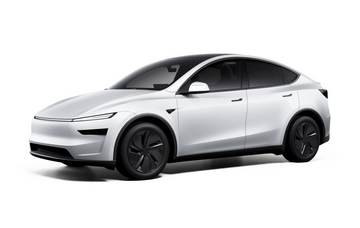
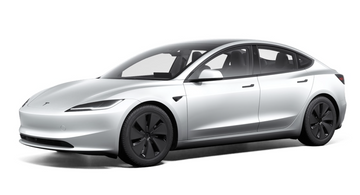
Tesla plans to start its Cybercab robotaxi service with the models Model Y and Model 3 – initially in Austin, later in other US cities. The specially developed Cybercab is expected to be mass-produced from 2026 or 2027. The new NHTSA regulations could be crucial in giving Tesla an early market advantage.
Elon Musk has already announced that autonomous driving could have more revenue potential than Tesla's vehicles themselves – now it seems the regulatory foundation for this has been laid.
Competitive Pressure from China as a Driver of US Reforms
US Secretary of Transportation Sean P. Duffy made it clear why the regulatory relaxation is happening now:
“We are in an innovation race with China – and the stakes could not be higher.”
The goal of the reform: A uniform national standard for autonomous vehicles and more dynamism in the domestic market to remain globally competitive.
Criticism of Transparency and Conflicts of Interest
Not everyone welcomes the new rules: Safety organizations warn of a lack of transparency, as reduced reporting requirements could also lead to less public oversight. Additionally, there is criticism of Elon Musk's dual role – as Tesla CEO and simultaneously advisor in the government program DOGE under the Trump administration.
Conclusion
With the relaxation of US regulations for autonomous driving, Tesla is moving significantly closer to its goal of a nationwide robotaxi network. The new rules lower barriers, simplify approval processes, and make Tesla's ambitious plans more realizable than ever. However, alongside technological progress, political sensitivity is also growing – a balancing act between innovation and regulation.

Hat dir unser Beitrag gefallen?
Wenn du bereits stolzer Tesla-Fahrer bist oder es zeitnah werden solltest, besuche unseren Onlineshop Shop4Tesla und sichere dir 10% Rabatt auf alle Produkte mit dem Rabattcode: NEWS4TESLA. In unserem umfangreichen Sortiment findest du eine Vielzahl an hochwertigen Tesla-Zubehörteilen für jedes Modell. Entdecke spannende Innovationen und Zubehör, die dein Tesla-Erlebnis noch besser machen - www.shop4tesla.com.